


09 Feb Gorgona
The smallest island of the Tuscan Archipelago
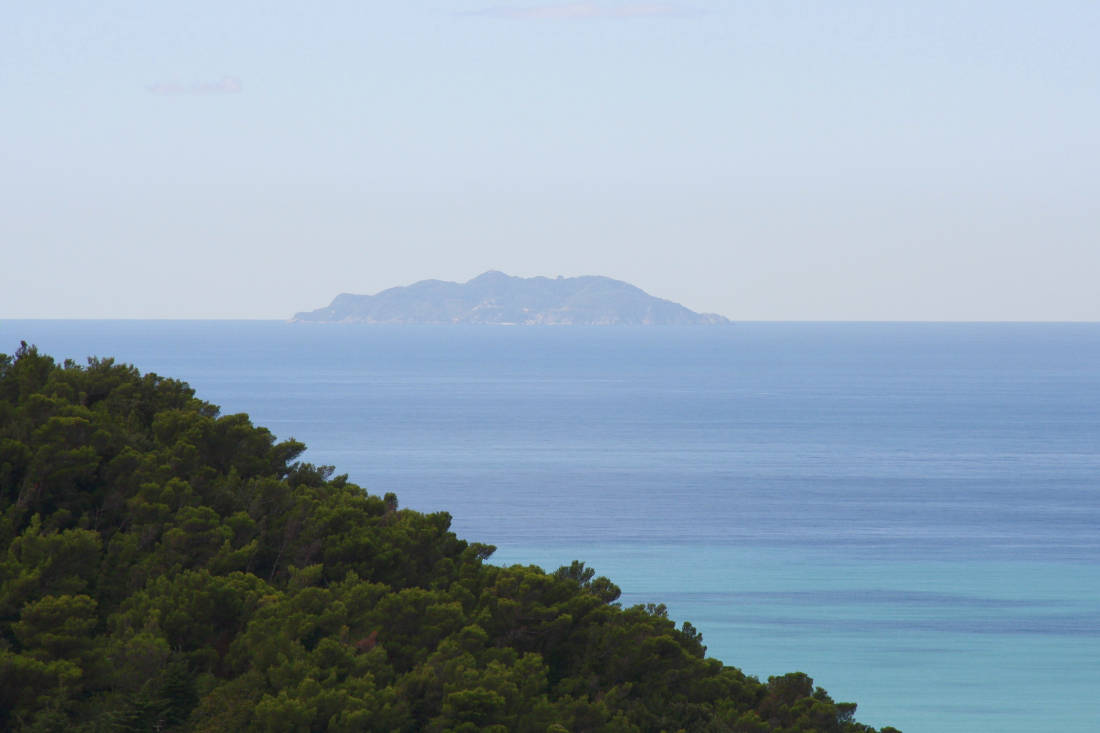
In the sea by Livorno, at 37km from the coast lies the island of Gorgona, the smallest and southernmost island of the tuscan archipelago.
A green mountain resting on the sea, with contours that remind of either a woman or enormous cetacean, approximately 220 hectares, mostly mountainous, and rich in typical mediterranean vegetation. An incontaminated nature that offers shelter to wild rabbits, seagulls, seaswallows, birds of passage and welcomes an infinity of plant species among which an indiginous olive variety, the “Bianca di Gorgona”.
Ancient Urgon
Gorgona was inhabited by the Etruscans followed by the romans as shown by the ancient ruins of a building in the area of Piano dei Morti. In the medieval period monks resided here and saw the rise of monasteries of the benedictines and cistercians. From the island king Desiderio transported the body of Santa Giulia to Brescia, martyred three centuries earlier in Corsica. In 1283 it was passed on to Pisa and in 1406 to the Medici. It remained with the Carthusians until 1777, when the Grand Duchy of Tuscany reclaimed it and in vain tried to repopulate it. “To return better people” is written on a plaque that welcomes visitors to Gorgona. From 1869 the island houses an agricultural penal colony, established as a branch of the one in Pianosa. A special prison where outside the cells one works in the vineyard and the garden producing honey and cheese, where earth, plants and animals are the main educators of the detainees.
An incontaminated nature and small marks of man
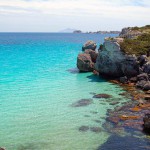
The east coast of gorgona gives an enchanting spectacle of three bays with unpolluted depths; Cala Maestra, Cala Marcona and Cala Scirocco with the Bue Marino Cave. On the island you can dock only in case of danger, which has allowed the conservation of a little polluted environment where you can admire, with authorized dives, marine species like rare posidonia, lobster, shellfish and an infinity of fishes. The landscape of the west coast of Gorgona, with the cliffs overhanging the sea, appears bittersweet and enchants with its contrast between the blue of the water and the green of the mediterranean vegetation of oak and Aleppo pine forests.
How to get to Gorgona
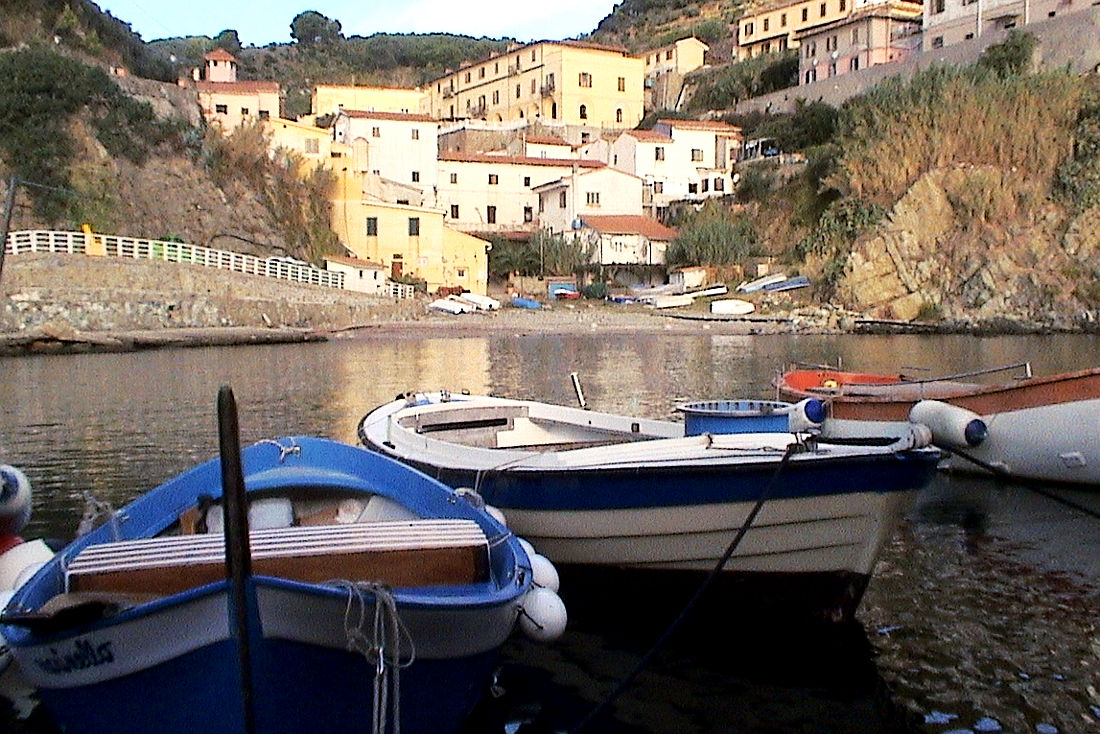
the underlying town, erected by the pisans overhanging the sea, and the Medicea tower built by grand duke Cosimo de Medici. A little higher you can admire Villa Margherita resting on the remains of old etruscan and roman sites.
How to get there: excursions on the island of Gorgona are organized by the Natural Park of Gorgona Island cooperative, the only one authorized by the ministero di Grazia e Giustizia. Every tuesday of the summer months the tourists are picked up by a small motorboat of the ferry service between Livorno, Capraia and Elba. It’s required to give details of means of identification at least 15 days before the visit to the island.
May also be interested ...
 Un weekend a Follonica Per chi cerca una vacanza al mare in Toscana su spiagge incantate immerse nella natura. Un borgo antico dove sono custoditi antichi tesori e sorprende...
 Noleggia una barca per scoprire Pianosa L’isola piatta una delle sette meraviglie della costa toscana, poterete visitarla noleggiando la nostra Enjoy One con skipper, la migliore soluzione...
 L’isola di Gorgona la più piccola isola dell’arcipelago toscano L’isola penitenziario diventata una meta turistica tre le più ambite dell’arcipelago toscano dove è possibile ammirare una natura incontaminata
...
L’isola di Gorgona la più piccola isola dell’arcipelago toscano L’isola penitenziario diventata una meta turistica tre le più ambite dell’arcipelago toscano dove è possibile ammirare una natura incontaminata
... Grosseto
Avamposto militare
Il capoluogo all’estremo sud della Toscana, nella pianura del fiume Ombrone, dista circa 12 km dal mare. Grosseto ha, nei seco...
Grosseto
Avamposto militare
Il capoluogo all’estremo sud della Toscana, nella pianura del fiume Ombrone, dista circa 12 km dal mare. Grosseto ha, nei seco... SUP and canoe on vacation Is lying comfortably on the beach not your thing? After sunbathing and relaxing on the beach, do you want to experience moments of adventure and movem...
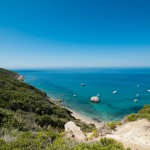 Una vacanza per scoprire l’isola del Giglio Una delle perle dell’arcipelago toscano un paradiso per gli amanti delle immersioni tra scogliere rocciose e spiagge di finissima sabbia dorata, ven...
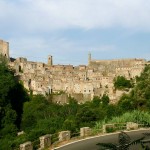 Sorano
: la Matera della Toscana
Sorano si trova nella parte sud orientale della provincia Grossetana denominata Area del Tufo. Il piccolo borgo, ar...
Sorano
Sorano: la Matera della Toscana
Sorano si trova nella parte sud orientale della provincia Grossetana denominata Area del Tufo. Il piccolo borgo, ar...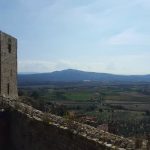 Montemassi
Of Aldobrandescan origin, like most of the small towns present in the area, Montemassi with its famous castle, after having been passed down t...
Montemassi
Of Aldobrandescan origin, like most of the small towns present in the area, Montemassi with its famous castle, after having been passed down t...