


09 Feb Oasi WWF Lago di Burano
The lake and the dunes
The Lago di Burano preserve, recognized as an Area of International Importance by norm of the Ramsar Convention, was established in 1980 and managed by WWF.
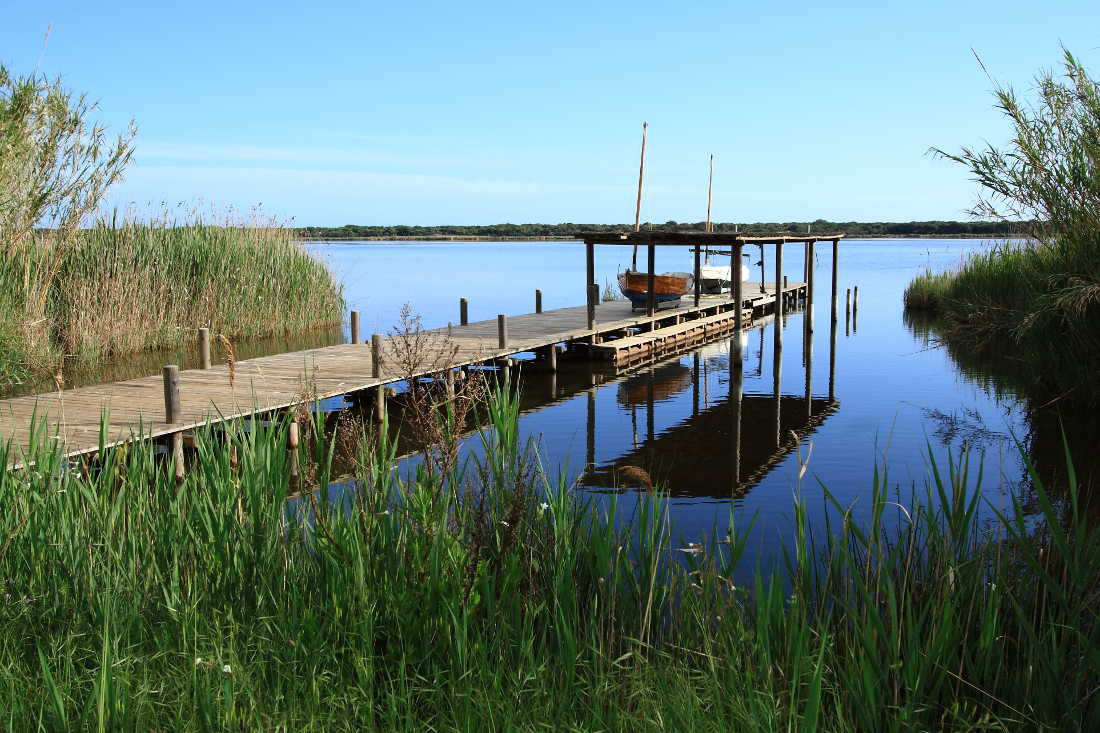
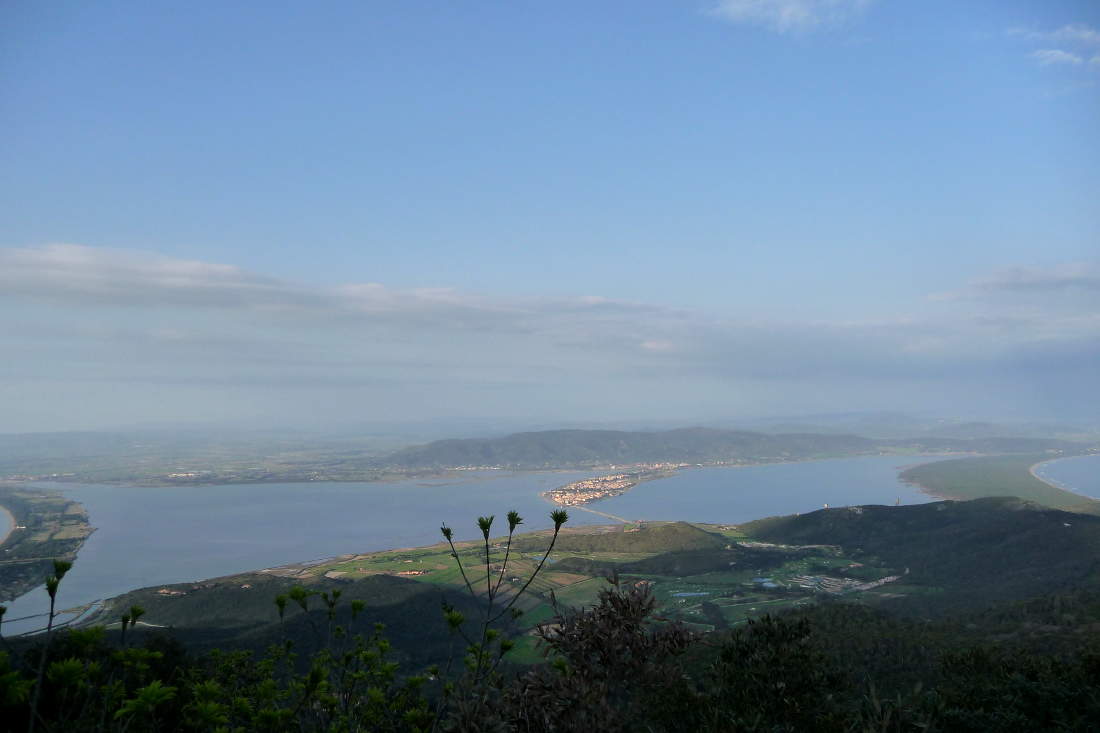
Lago di Burano is a coastal pond survived from an ancient lake at the western end of Grossetan Maremma in the county of Capalbio. It’s separated from the Tyrrhenian sea by a narrow stretch of dunes, which makes up one of the best-preserved coastlines of the region. It extends for around 410 hectares between Ansedonia and Capalbio, of which 140 are occupied by an on average meter-deep lake.
In 2005, both Lago di Burano and the dunes of the Lago di burano have been acknowledged as sites of interest by the ministry of the environment.
Watching over the lake is the Tower of Buranaccio, built around the half of the 16th century, the western-most defensive outpost of the Stato dei Presidi, at the border with the Grand Duchy of Tuscany and the Pontific State.
An unforgettable trail
Lago di Burano is an example of how Maremma is capable of offering unique and wonderful landscapes, respecting fully the environment.
Visits to the preserve are organized by the WWF through a path with watchtowers and observation cabins, a marked trail, the garden of butterflies and the observatory for nighttime observations of mammals.
The flat trail, around two km long, allows also the differently able to visit.
On the long beach, enchanted by the shimmer of the waters that accent the sand, you walk through a magical world populated by narcissus of the sea and the santolina.
The mediterranean nature rules the area over the dunes: bushes of prickly and phoenician juniper, myrtle, phyllirea, mastic and cork trees.
The swam canes and water lilies and many other species unique of the humid areas surround the banks of the lake.
Equally surprising is the variety of animals and wild birds: tufted duck, herons, flamingos, harriers, fisher falcon, swamp falcon and lanner falcon. Among the mammals in the sandy dunes and in the vegetation are the porcupine, badger,f ox, weasel, stone marten and skunk.
Several butterflies reproduce in this uncontaminated environment, like the monarch, deathshead and the Lely Cenosa, a small nocturnal buttterfly whose caterpillar feeds on the swamp cane.
How to get to the oasis of Lago di Burano
From Alberese take the SS Aurelia towards Rome and follow indications for Capalbio Scalo, continue taking by taking the fork toward Marina di Capalbio at Km 133. The Oasis is open from september to april, sunday visits at 10:00 and 14:30 (legal time 15:00). Groups and schools every day, by reservation. Departure for all visits, unless otherwise noted is always from the visitors’ center of the oasis; S.P. Litoranea 35, Capalbio Scalo. For photographers and birdwatchers it’s possible in some periods to book scheduled visits upon agreement with management.
Info
Contact and Info tel. +39 0564 898829
e-mail: lagodiburano@wwf.it
http://www.wwf.it/oasi/toscana/lago_di_burano/
May also be interested ...
 Oasi WWF
Se dici maremma pensi subito al cinghiale come elemento più rappresentativo. Ma la Maremma è molto di più. A testimoniarlo le oasi wwf che ospita...
Oasi WWF
Se dici maremma pensi subito al cinghiale come elemento più rappresentativo. Ma la Maremma è molto di più. A testimoniarlo le oasi wwf che ospita... Archeological Museum Ex-Polveriera Guzman From Spanish poder keg to museum
Along the walls of Levante of the historic center of Orbetello this splendid example of Spanish military architectur...
Archeological Museum Ex-Polveriera Guzman From Spanish poder keg to museum
Along the walls of Levante of the historic center of Orbetello this splendid example of Spanish military architectur... Canoeing Canoeing does not need particular physical skills: everyone can do it and it is ideal for the mind and for the body and it is relaxing.
There are m...
Canoeing Canoeing does not need particular physical skills: everyone can do it and it is ideal for the mind and for the body and it is relaxing.
There are m... Surfing, windsurfing and kitesurfing even on holiday The stretch of coast that stretches from Castiglione della Pescaia to Punta Ala and continues to the splendid Gulf of Follonica is one of the best pla...
- Surf, wind surf e kite surf
Sono molti i luoghi della Maremma presso cui è possibile noleggiare le attrezzature e prendere lezioni del proprio sport preferito – che si...
 Rental boat on the Tuscan coast To make your next vacation by the sea on the tuscan coast perfect rent the Enjoy One, the best way to explore the coast of Tuscan Maremma
Excursion...
Rental boat on the Tuscan coast To make your next vacation by the sea on the tuscan coast perfect rent the Enjoy One, the best way to explore the coast of Tuscan Maremma
Excursion...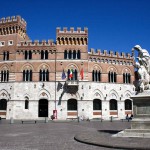 Grosseto Militärischer Vorposten
Grosseto ist die südlichste Provinz der Toskana ca. 12 km vom Meer entfernt, mitten im Herzen der Maremma. Im Laufe der Ja...
Grosseto Militärischer Vorposten
Grosseto ist die südlichste Provinz der Toskana ca. 12 km vom Meer entfernt, mitten im Herzen der Maremma. Im Laufe der Ja...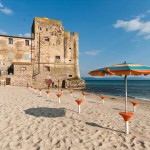 Torre Mozza
Situated along the beautiful Etruscan coast within the Gulf of Follonica Torre Mozza is characterized by the Mozza Tower whose erection in the firs...
Torre Mozza
Situated along the beautiful Etruscan coast within the Gulf of Follonica Torre Mozza is characterized by the Mozza Tower whose erection in the firs...