


12 Jan Diaccia Botrona Nature Reserve
The ancient lake
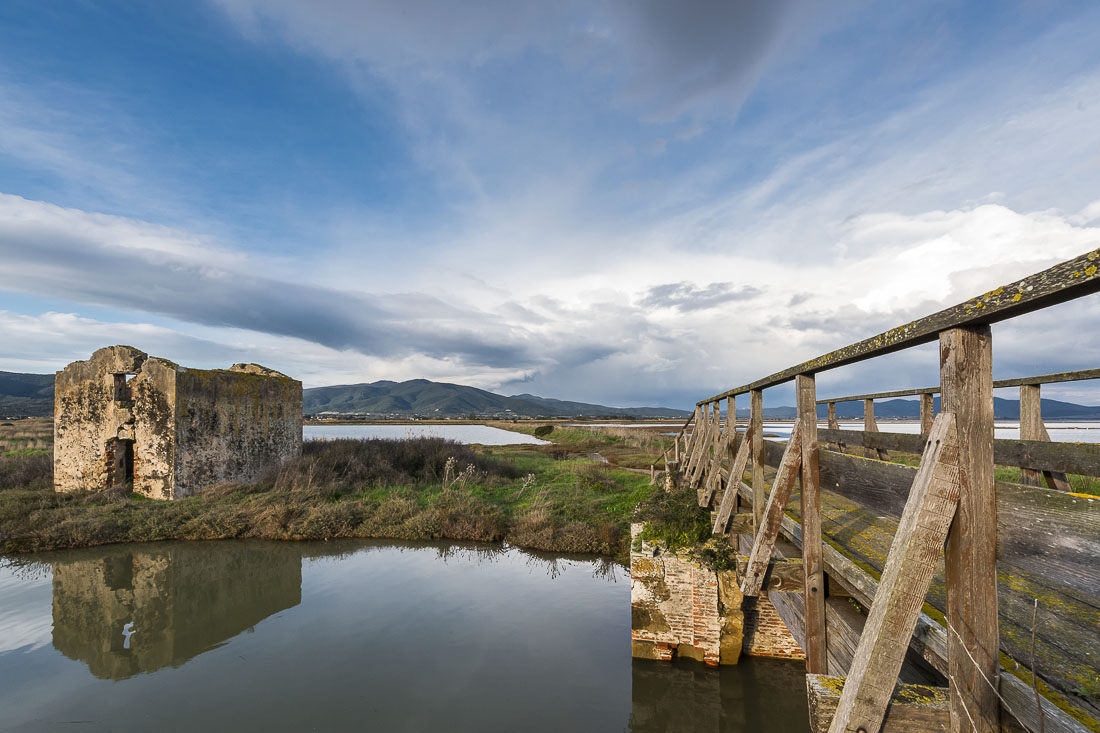
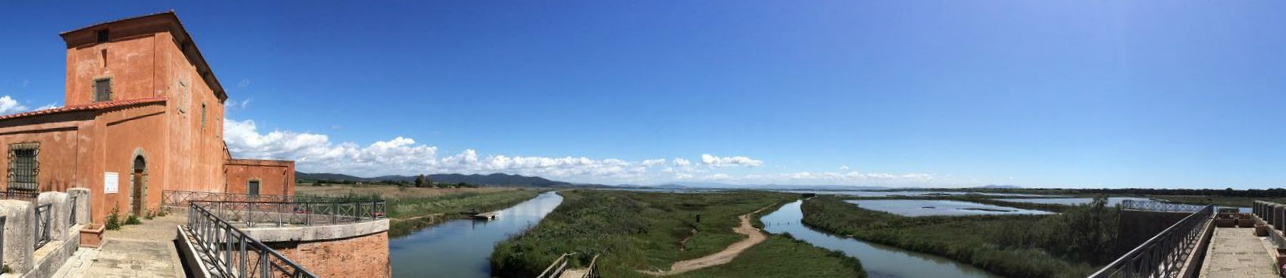
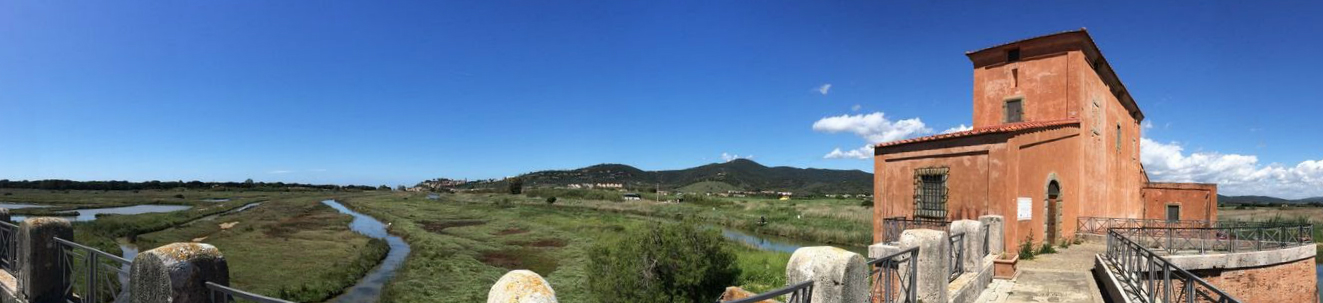
The Diaccia Botrona Nature Reserve stretches for over 1000 hectares between Castiglione della Pescaia and Grosseto and is all that remains of the ancient Lake called by the Etruscan Lacus Prilius, that took up this flat area. The lake was almost completely drained during the huge drainage works in the 18th century to defeat malaria.
Diaccia Botrona: a resource for biodiversity
The area has been a nature reserve since 1971. Here more than 200 species have been counted. An occasion to observe different species of birds, such as flamingos, ospreys, egrets and purple herons, kites or jays, or reptiles such as tortoises, and marsh but even various mammals such as foxes, badgers, hedgehogs and porcupines.
Swamp flora
The Diaccia Botrona Nature Reserve is accessible from a 16 km route or a shorter path of about 2 km. In the summer you can also book a boat trip. The swamp and the large green area offer an amazing spectacle of colors and fragrances with tamarisks, elms, rushes, straws and rare species of orchids.
Clodia Hill
Clodia is actually a small hill where are the remains of the San Pancrazio al Fango Abbey, built in the 12th century on the remains of the sumptuous Roman villa commissioned by Senator Clodius.
Ximenes House
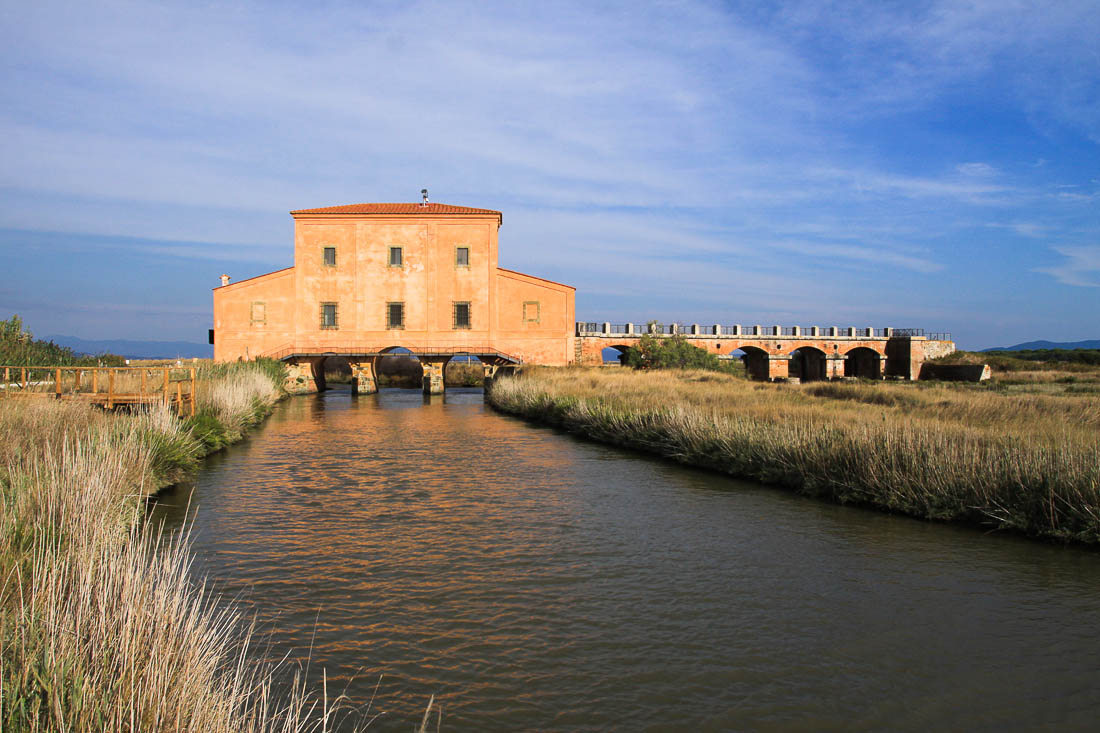
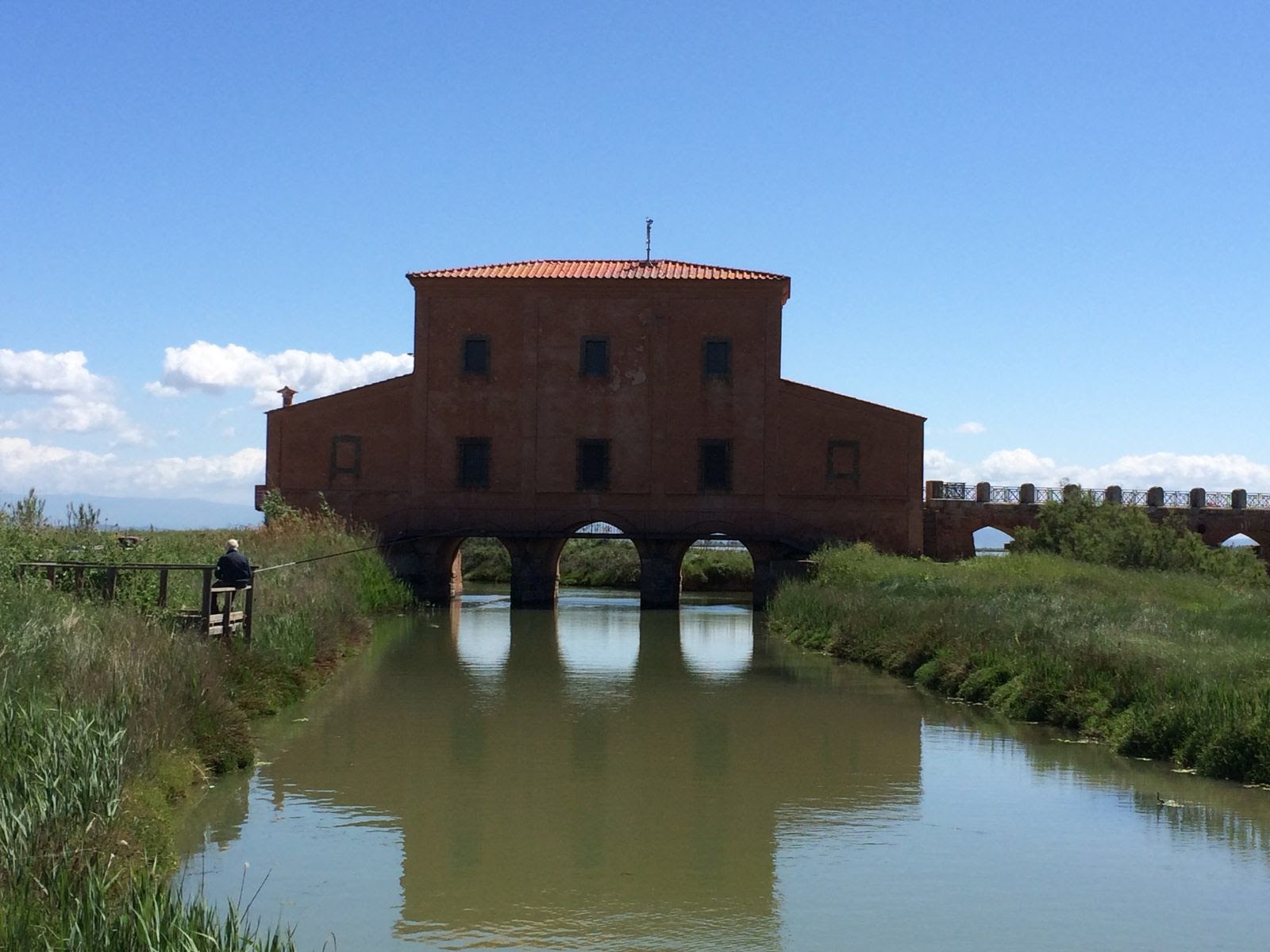
Within the Daccia Botrona Nature Reserve you will find an impressive two –storey building, a red house which dominates the swamp: The Ximenes House named after the Jesuit architect who designed it in 1765 for reclaiming the area from malaria. According to the monk the malaria could be caused by an insane mix of fresh water and salt water: the structure would have distinguish the two water and defeat the lethal disease. But the experiment was a failure and he fall into disgrace.
Today is this fascinating structure a helpful instrument to enhance the fragile eco system of the Reserve and home of an interesting multimedia museum.
The whitch Castiglione della Pescaia
There are many legends revolving around malaria. The most famous identified this terrible disease with a witch from burning eyes who lived in the swamp of Daccia Botrona, able to burn people with a look, terrorizing the inhabitants of Castiglione della Pescaia.
Opening time
Visitor Center Casa Ximenes
June-August: every day, except Monday 16.00-22.00
September-Mai: Thursday-Sunday 13.00-19.00
On request: guided swamp tours by boat
Contacts
Province of Grosseto, sector Nature Conservation (+39 0564 484581)
Visitor Center Casa Ximenes (+39 347 5345189 – 339 4331553)
How to get to Diaccia Botrona nature Reserve
After arriving at Castiglione along the provincial road SP 158 the Collacchie, you must reach the Giorgini bridge, turn right driving until the Ximenes House. You can also reach the Daccia Botrona from the provincial road Castiglionese towards Castiglione della Pescaia until Ponti di Badia; here you must turn left, and drive along a small road until you reach the Daccia Botrona Nature Reserve.
-
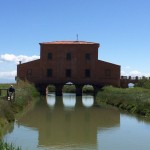
- Diaccia Botrona Nature Reserve
May also be interested ...
 On holiday in Gavorrano Some days of peace and quiet in the heart of Tuscna Maremma, between corners of wild and spectacular nature.
Gavorrano
The historic mining town ...
On holiday in Gavorrano Some days of peace and quiet in the heart of Tuscna Maremma, between corners of wild and spectacular nature.
Gavorrano
The historic mining town ... Ein Urlaub zur Entdeckung der Insel Giglio Giglio ist eine der Perlen des toskanischen Archipels. Mit seinen felsigen Klippen und den Stränden mit feinem goldenen Sand, ist die Insel ein wahre...
 Sorvoli sulla Maremma
Vola sulla Maremma Toscana, alla scoperta di luoghi unici, da una prospettiva irripetibile.
InMaremmaSi #vola
Scegli il tuo itinerario...
Sorvoli sulla Maremma
Vola sulla Maremma Toscana, alla scoperta di luoghi unici, da una prospettiva irripetibile.
InMaremmaSi #vola
Scegli il tuo itinerario... Montecristo L’isola di Montecristo è la più selvaggia e incontaminata dell’Arcipelago Toscano. Riserva biogenetica di poco più di 1000 ettari, formata da...
 Mountain Bike
Eperience the dedicated cycle routes of Maremma!
Trails With Martin From Trail Hub
RideLOG
Experience the ride: Trail Le Cannelle!
GoPro...
Mountain Bike
Eperience the dedicated cycle routes of Maremma!
Trails With Martin From Trail Hub
RideLOG
Experience the ride: Trail Le Cannelle!
GoPro... “MaremmaArtExpò”: art exhibition in the inner city of Grosseto From the 19 to 22 May will take place in Grosseto, the fifth edition of "MaremmaArtExpò", the cultural international event which offers to the visual...
 Segeln Im Zuge des Windes der Maremma
Land von Seglern und Seefahrern ist die Maremma weltweit für seine internationalen Regatten bekannt. Gerade in Punta...
Segeln Im Zuge des Windes der Maremma
Land von Seglern und Seefahrern ist die Maremma weltweit für seine internationalen Regatten bekannt. Gerade in Punta...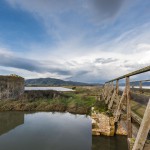 Naturschutzgebiet Diaccia Botrona
Der alte See
Die Oase der Diaccia Botrona, ca. 1000 Hektar zwischen Castiglione della Pescaia und Grosseto, ist alles, was heute von der alten...
Naturschutzgebiet Diaccia Botrona
Der alte See
Die Oase der Diaccia Botrona, ca. 1000 Hektar zwischen Castiglione della Pescaia und Grosseto, ist alles, was heute von der alten...